
A Tale of Two Investors
Picture this: two friends, Sarah and Michael, have been investing side by side for years. While Sarah preferred sticking to traditional investments like stocks and bonds, Michael became intrigued by Bitcoin in 2015 and started allocating a small percentage of his portfolio to the digital asset. Today, they sit down to compare their portfolios. Michael’s investment has skyrocketed in value, while Sarah’s traditional assets have grown, but at a much slower pace. Now, Sarah is curious: could Bitcoin be the key to transforming her investment strategy?
This story highlights a growing conversation among investors: with traditional markets facing volatility and inflation concerns, is now the right time to consider a shift towards Bitcoin? Here, we’ll explore the key differences between Bitcoin and traditional investments and why more investors are considering this digital asset as part of a diversified portfolio.

Table of Contents
- Understanding Bitcoin vs. Traditional Investments
- Why Bitcoin is Rising in Popularity
- Key Advantages of Bitcoin Over Traditional Investments
- Potential Drawbacks and Risks
- How to Start Investing in Bitcoin Safely
- Future Outlook: What Experts Say About Bitcoin and Traditional Investments
1. Understanding Bitcoin vs. Traditional Investments
Traditional Investments Defined
Traditional investments include assets like stocks, bonds, real estate, and commodities. Stocks represent ownership in companies, while bonds are essentially loans to governments or corporations. These assets have been the backbone of investment portfolios for decades, offering stability and a proven track record.
Bitcoin Defined
Bitcoin, on the other hand, is a digital currency and decentralized asset created in 2009. Operating on blockchain technology, Bitcoin is limited to a maximum supply of 21 million coins, making it scarce by design. Unlike traditional assets, Bitcoin is independent of any central authority, giving it unique characteristics.
Core Differences
The fundamental difference between Bitcoin and traditional investments lies in their underlying structure. Traditional investments are tied to corporations, governments, and economic factors, whereas Bitcoin operates outside these systems. Bitcoin’s decentralized nature and fixed supply make it an innovative alternative for investors looking to diversify their portfolios.
2. Why Bitcoin is Rising in Popularity
Growing Mainstream Adoption
Bitcoin has gone from niche to mainstream, with major companies like Tesla, PayPal, and Square integrating it into their business models. Additionally, financial giants like Fidelity and JPMorgan now offer Bitcoin-related products, signaling growing institutional acceptance.
A Hedge Against Inflation
As central banks print more money, fears of inflation are rising. Bitcoin’s scarcity and independence from government control make it an attractive hedge against inflation. This appeal has led more individuals and institutions to consider Bitcoin as a viable investment option, especially in uncertain economic climates.
High Returns Compared to Traditional Assets
Bitcoin’s historical returns have outpaced traditional assets over the past decade, attracting investors eager for high-growth opportunities. While Bitcoin is volatile, its overall trend has been upward, making it a compelling addition to portfolios.
3. Key Advantages of Bitcoin Over Traditional Investments
Decentralization and Security
Bitcoin operates on a decentralized network, making it secure and resistant to manipulation by central authorities. In contrast, traditional investments are subject to regulatory policies and economic factors that can impact their performance.
Limited Supply Equals Scarcity
Unlike fiat currency, which can be printed at will, Bitcoin’s supply is capped at 21 million coins. This limited supply has created a sense of digital scarcity, increasing Bitcoin’s value as demand grows. Traditional investments don’t offer the same level of scarcity, as companies can issue new shares or governments can print more money.
Global Accessibility and Liquidity
Bitcoin is accessible to anyone with internet access, making it a global asset. Additionally, Bitcoin markets operate 24/7, allowing investors to buy or sell at any time. Traditional markets, in comparison, have limited trading hours and can be less accessible.
Portfolio Diversification
Adding Bitcoin to a portfolio can provide diversification benefits, as it doesn’t always move in tandem with traditional assets. This low correlation can reduce overall portfolio risk and potentially improve returns.
4. Potential Drawbacks and Risks
High Volatility
Bitcoin is known for its price swings, which can be unsettling for traditional investors. While these fluctuations offer opportunities for significant gains, they also come with the risk of substantial losses. Investors should be prepared for volatility and consider a long-term perspective.
Regulatory Uncertainty
Governments are still working on establishing regulations for cryptocurrencies. Future policies could impact Bitcoin’s price and accessibility, creating a degree of uncertainty.
Cybersecurity Risks
Because Bitcoin is digital, it’s vulnerable to hacking. While blockchain technology is secure, individual investors need to take precautions, such as using hardware wallets to store their assets securely.
5. How to Start Investing in Bitcoin Safely
Choose a Secure Exchange
To buy Bitcoin, select a reputable exchange like Coinbase, Binance, or Kraken. These platforms have security measures in place and are user-friendly for beginners.
Use a Wallet for Storage
Once you’ve bought Bitcoin, consider transferring it to a secure wallet. Hardware wallets like Ledger and Trezor provide top-level security by keeping your Bitcoin offline, reducing the risk of hacking.
Start with Dollar-Cost Averaging (DCA)
Due to Bitcoin’s volatility, many investors use dollar-cost averaging (DCA) to invest gradually over time. This strategy helps smooth out price fluctuations and reduces the impact of sudden market changes.
Research and Educate Yourself
Before investing, take time to understand Bitcoin and the risks involved. Knowing the basics of blockchain technology, security measures, and market trends can help you make informed decisions.
6. Future Outlook: What Experts Say About Bitcoin and Traditional Investments
Expert Predictions on Bitcoin’s Growth
Financial analysts and investment experts have made bullish predictions for Bitcoin’s future. Many believe that as institutional adoption grows and Bitcoin’s supply remains limited, its value will increase. Some even predict Bitcoin reaching $100,000 or higher within the next few years.
Traditional Assets Facing Challenges
As central banks continue to print money and inflation rises, traditional assets like bonds are facing low yields. Stocks remain popular, but the increasing volatility in global markets makes diversification more crucial than ever. Bitcoin’s independence from these factors positions it as an attractive alternative.
Combining Bitcoin with Traditional Assets
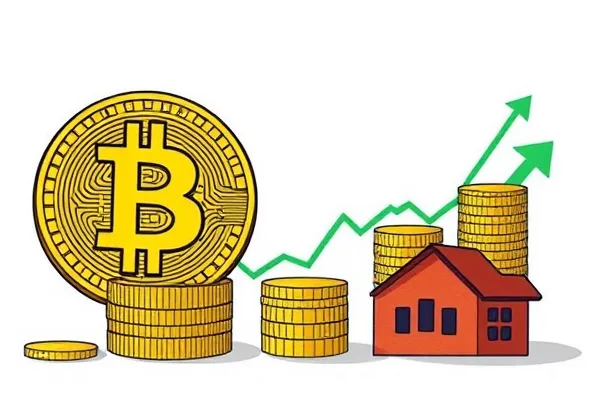
Experts recommend that investors don’t necessarily abandon traditional assets but consider adding Bitcoin to create a balanced portfolio. A combination of stocks, bonds, real estate, and Bitcoin can help manage risk while maximizing growth potential.

FAQ
Q1: Is Bitcoin better than traditional investments?
Bitcoin and traditional investments each have unique advantages. Bitcoin offers growth potential, diversification, and a hedge against inflation, while traditional assets provide stability and long-term performance. A balanced approach may be most effective.
Q2: What percentage of my portfolio should be in Bitcoin?
Most experts suggest starting with a small allocation, such as 1-5% of your portfolio, depending on your risk tolerance. This allows for exposure to Bitcoin’s growth without overwhelming your portfolio.
Q3: Is Bitcoin safe to invest in?
Bitcoin is secure as long as you take precautions, like using reputable exchanges and secure wallets. However, it’s important to be aware of the volatility and risks associated with cryptocurrency investments.
Q4: How does Bitcoin compare to gold?
Bitcoin and gold are often compared due to their scarcity and store of value. Bitcoin is sometimes called “digital gold” because it offers similar benefits but is easier to transfer, store, and divide than physical gold.
Q5: Will Bitcoin replace traditional investments?
Bitcoin is unlikely to replace traditional investments but can serve as a valuable addition. Most experts view Bitcoin as a complement to, rather than a replacement for, traditional assets like stocks and bonds.
Conclusion: Shifting Towards a New Investment Paradigm
As we move into an era of technological advancements and economic changes, the investment landscape is evolving. Bitcoin represents a significant shift from traditional investments, offering new opportunities for growth, diversification, and inflation protection. While it’s not without risks, Bitcoin’s advantages make it a compelling consideration for forward-thinking investors. By combining the stability of traditional assets with the potential of Bitcoin, you can create a more dynamic and resilient portfolio to navigate the future of finance.